The spice jar special
Quote: "Sesame, pour thyself!"
Category: Spice organisation
Duration: 2 hours
Project vibe: "I'm going to have to science the shit out of this." (The Martian, 2015)
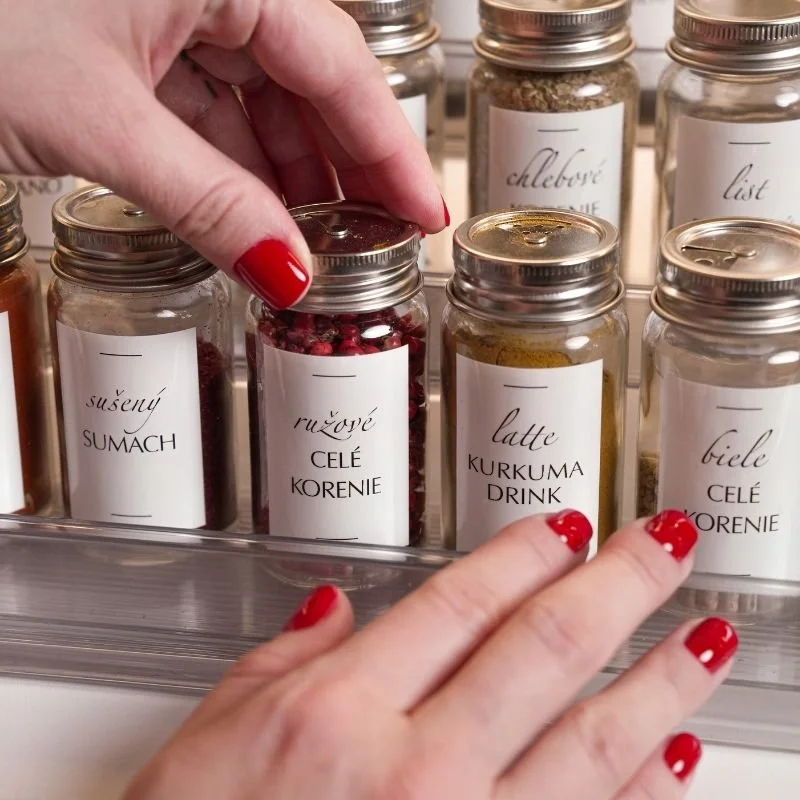
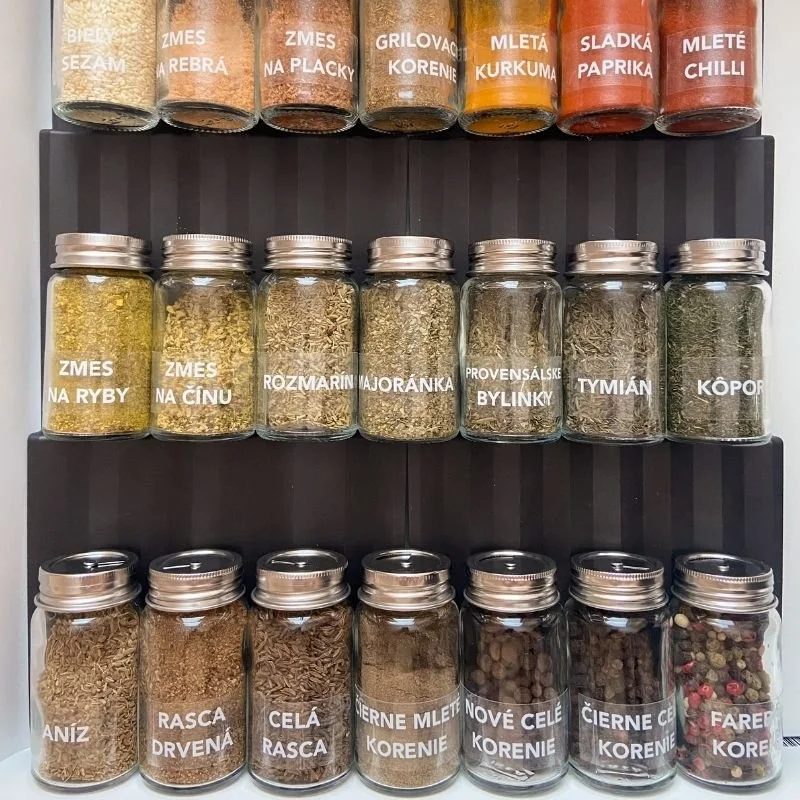
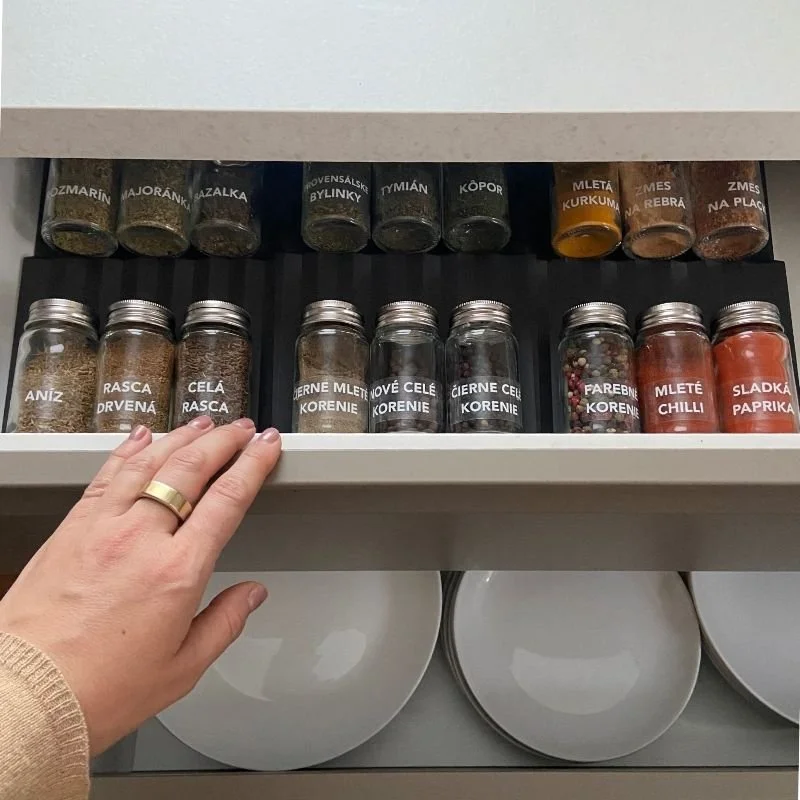
Yes, it looks like the kind of extra work you do when you're terribly bored. 🥲 Say that to yourself the next time you're digging through a grubby drawer for cumin and find four open paprikas and two mystery mixes past their date.
Spices without a system can be the most nerve-racking part of cooking: you look for oregano and find cloves on the run.
How many times a year do you feel like spending your precious time like this: tidying open bags, wondering what to close them with, deciphering names and asking family members who last used "that yellow greasy stuff"?
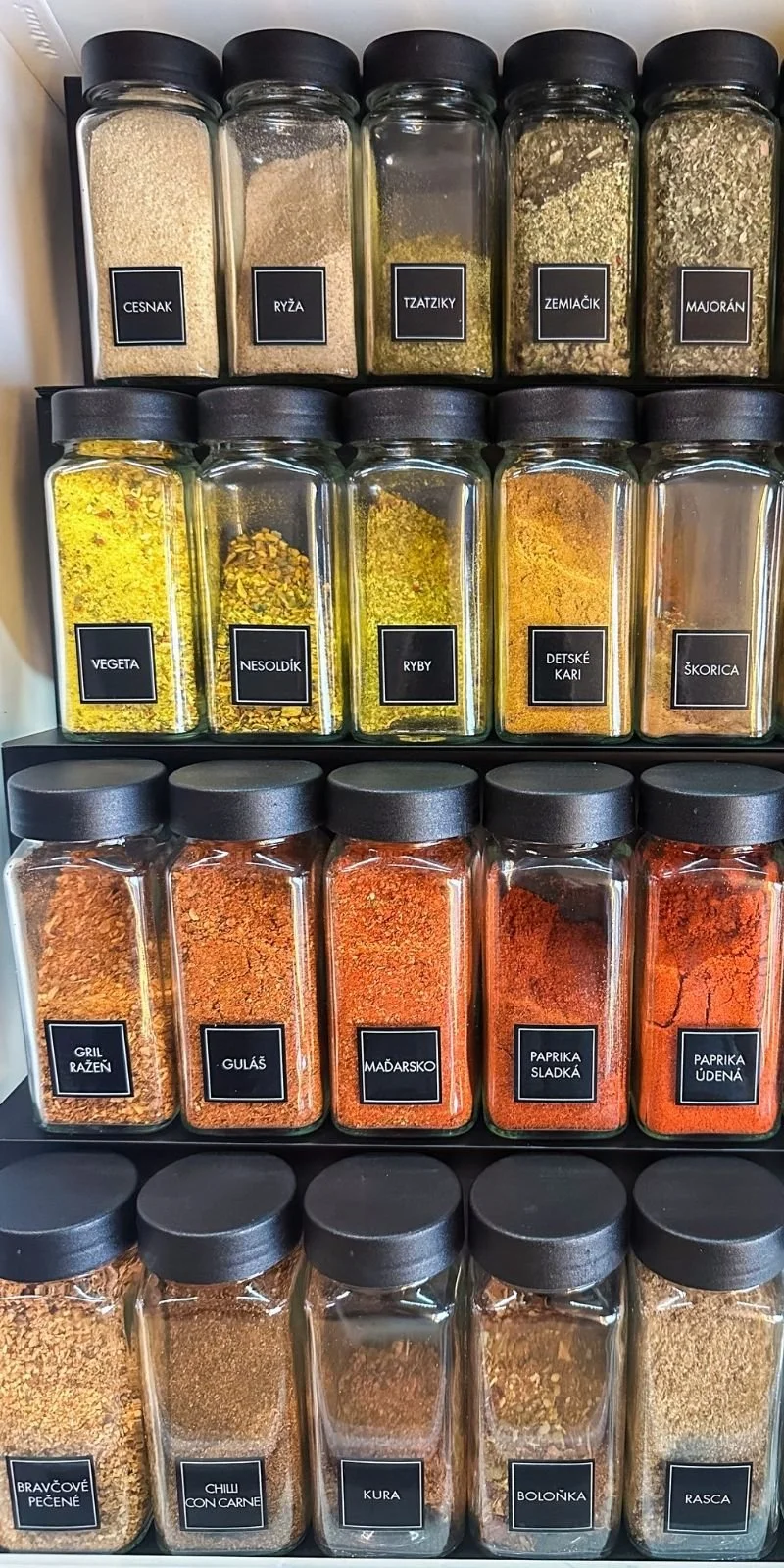
This isn't one drawer. This is a pattern that repeats itself in households everywhere. Bags, leftovers, duplicates, packets bought "just in case".
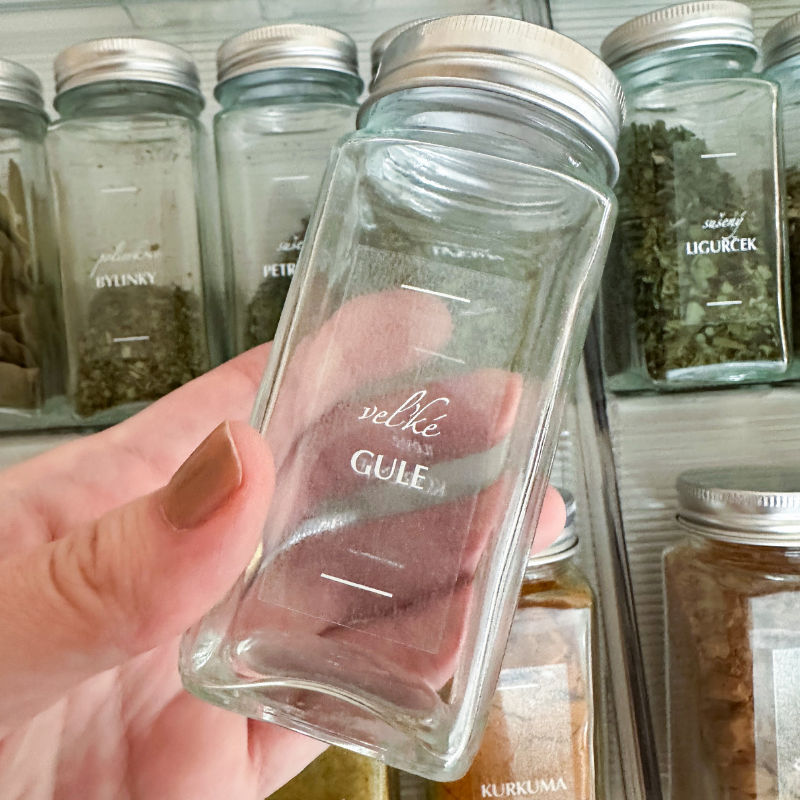
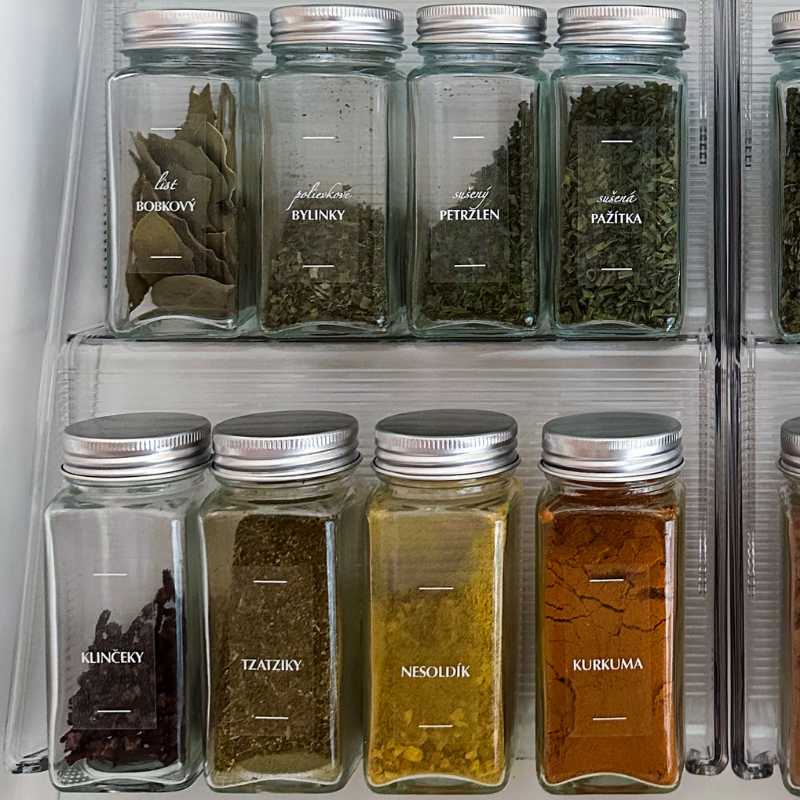
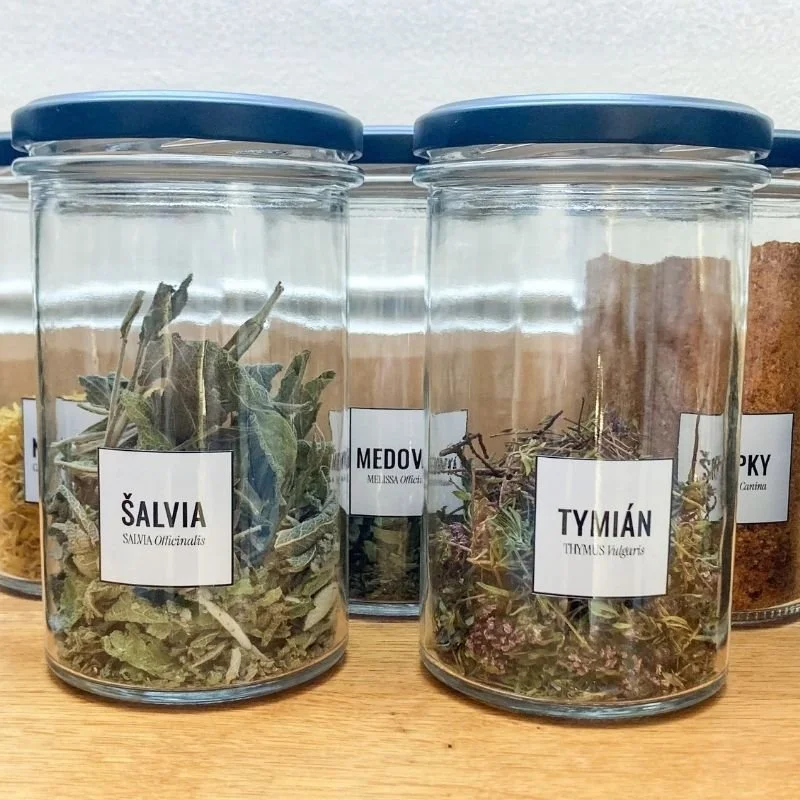
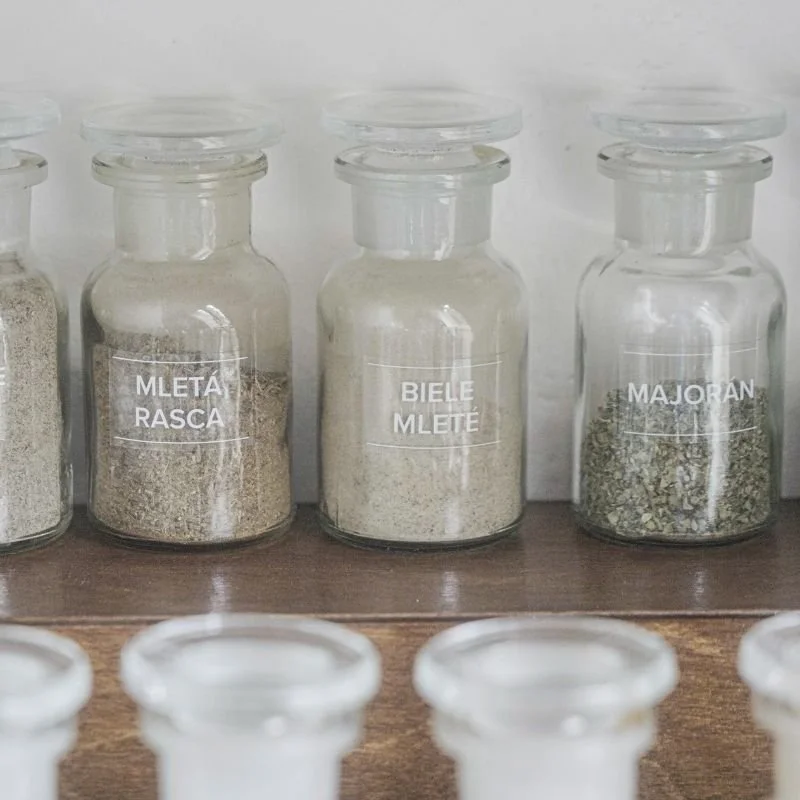
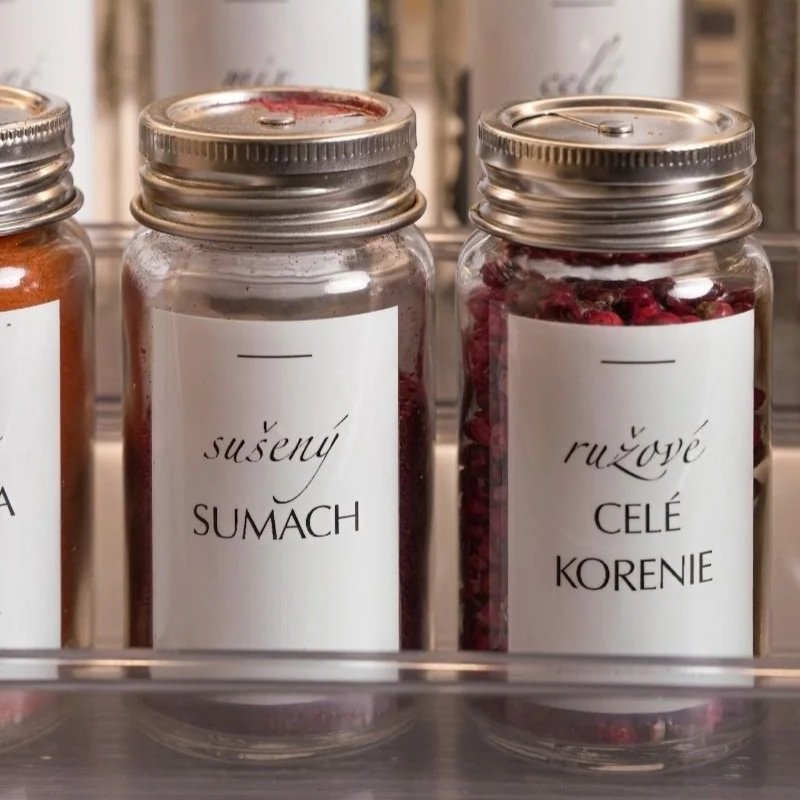
Spices are small, but without a system they create a great deal of unrest. We see a spice rack as a work of art, where the label is the curator's signature.
It's not about looking good. Well, it does look good. But it's also about function. If you don't cook often, you see your real consumption. If you cook a lot, you can tailor the mix. You have control and an overview: you know what's missing and what to stop buying.
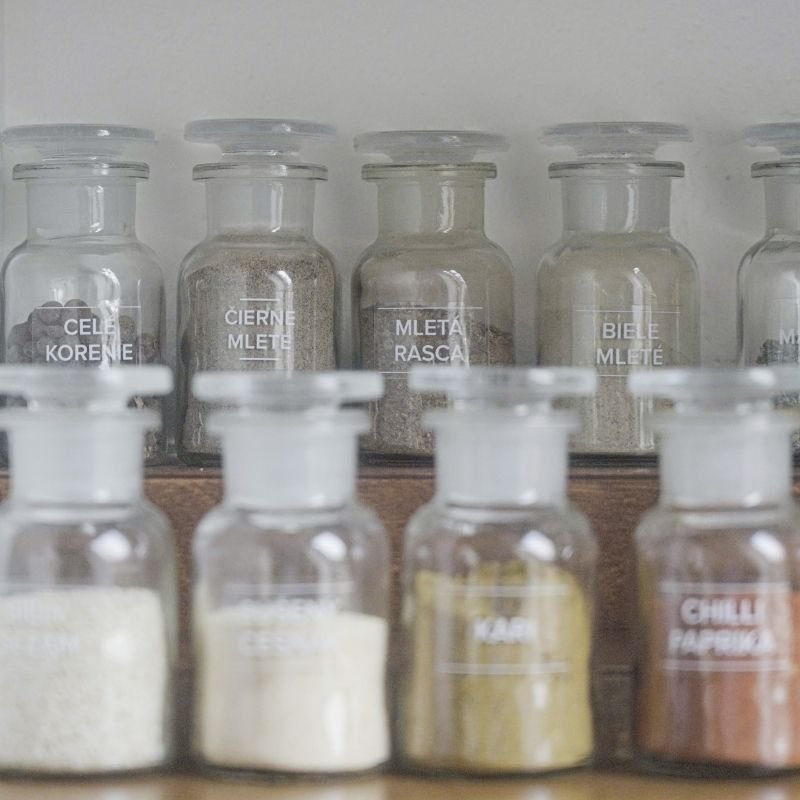
We're not doing neuroscience, but when you open a drawer and find what you need, cooking stops being a stressor. The result makes you think about what you use, cuts waste and turns the kitchen into a place where you actually want to be.
Organisation isn't about quantity. It's about conscious choice.
Question: Aren't you making a science out of spice jars? Is two hours of fiddling really worth it?
Answer: Two hours of the spice jar special are an investment in your peace of mind. Two hours so your own kitchen stops driving you up the wall? Good deal.