
UX organising and redesign
UX organising
and redesign

-
WE TALK FIRST.
-

WE SORT TOGETHER.
-

WE BUILD THE SYSTEM.
-

WE PASS THINGS ON.
Method and process.
We call our approach UX organising and redesign. Just as a designer thinks about how a person moves through an app, we think about how you use your own space, and about the dreams and needs of the people who live in it. We call it a trialogue: you, the space and us.
We start with a conversation, not a cupboard. We observe, we ask and we look for connections. Only then do we set up a system that respects your habits, your needs and your everyday life. The result is a space that works naturally.
— 1 —
Organising a space doesn't begin with sorting.
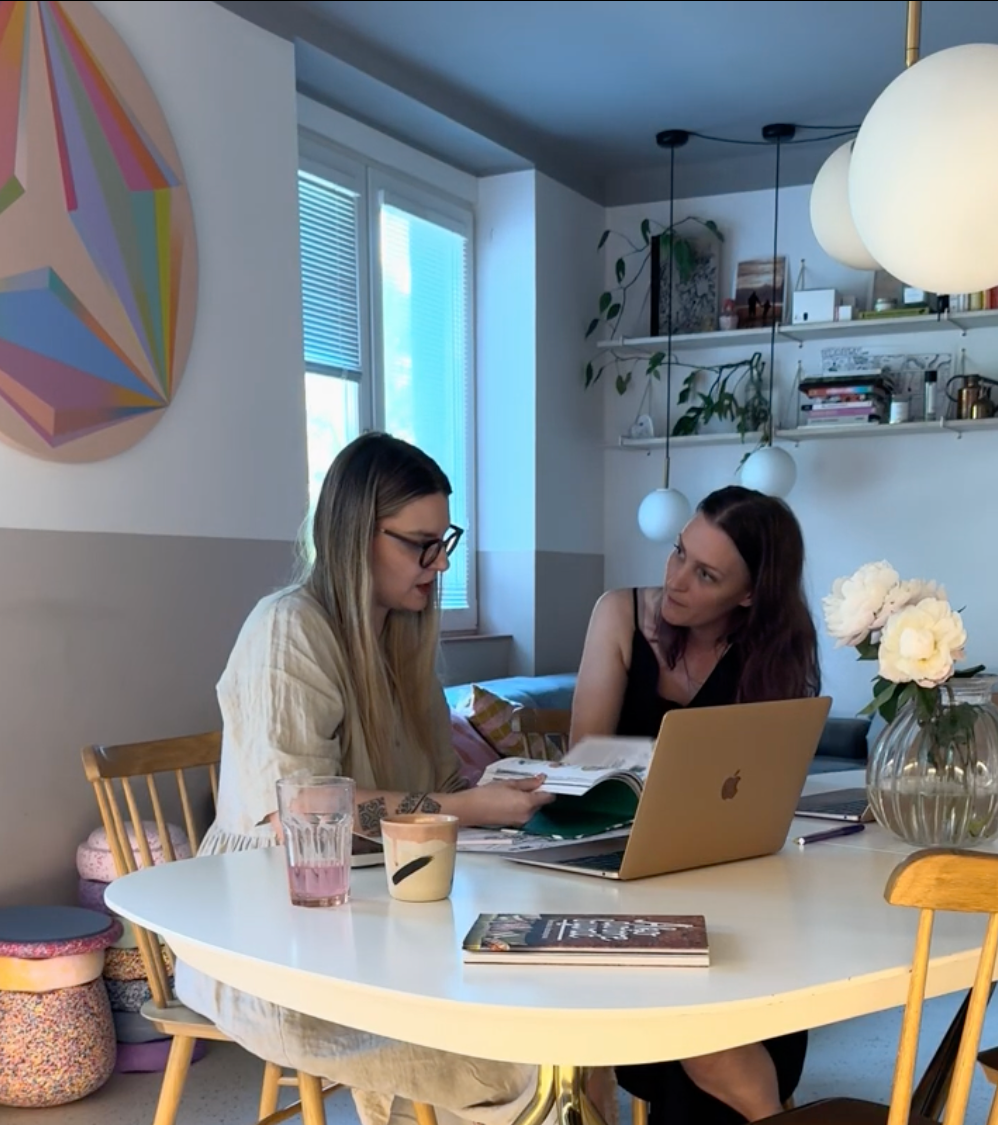
It begins with a conversation and observation. Before we touch anything, we notice where you move, why, and who uses things and when. We take in the details. We see the whole. No question is silly or pointless. Questions take us to the heart of the matter.
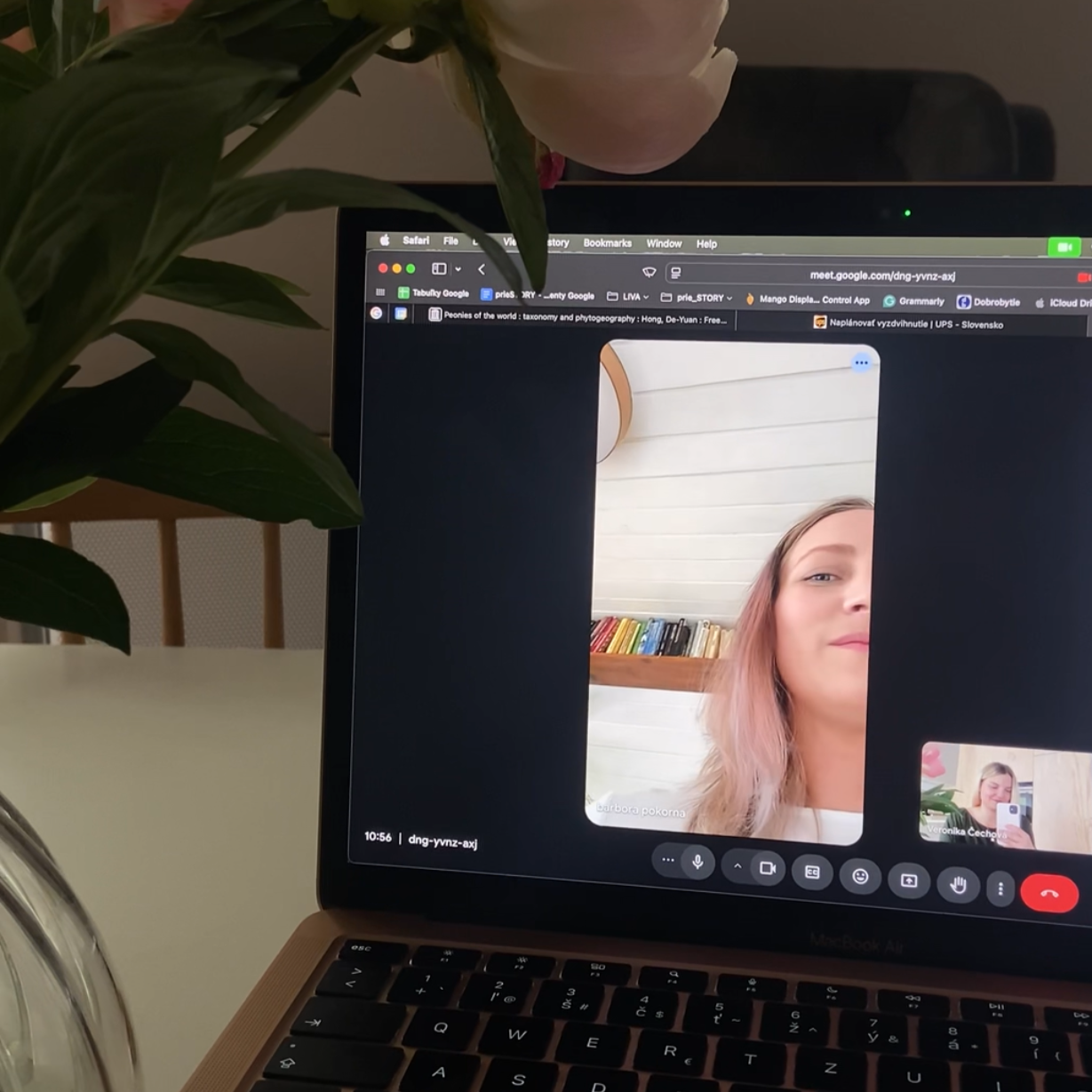
We find out where things pile up, and frustration with them, where the red flags of the space are, and where the opportunities lie to build the habits you would like. How you want to feel at home, how you want to use the space, and which changes matter right now and are likely in the future.
— 2 —
You decide, we support.
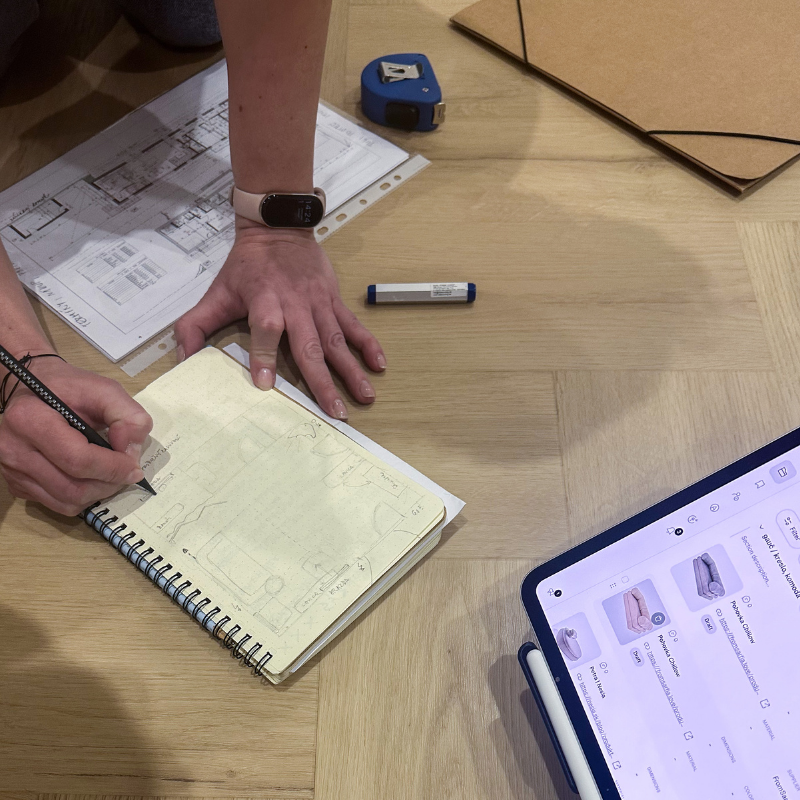
Together we go through your things, name the categories and set up the logic of the space according to the real life of the household. We don't persuade, we help you decide. Less chaos, fewer stuck moments, more clarity. We sort things by category and look for their meaning, how often they are used and their place in the daily rhythm of the household. We don't tell you what to throw away.
We ask, we argue the case and we help you decide. It's not about owning the minimum. It's about reducing the number of options and making decisions easier. New categories emerge, new zones and often new questions. Not everything old has to go. Not everything new has to come.
— 3 —
UX organising built on your habits.
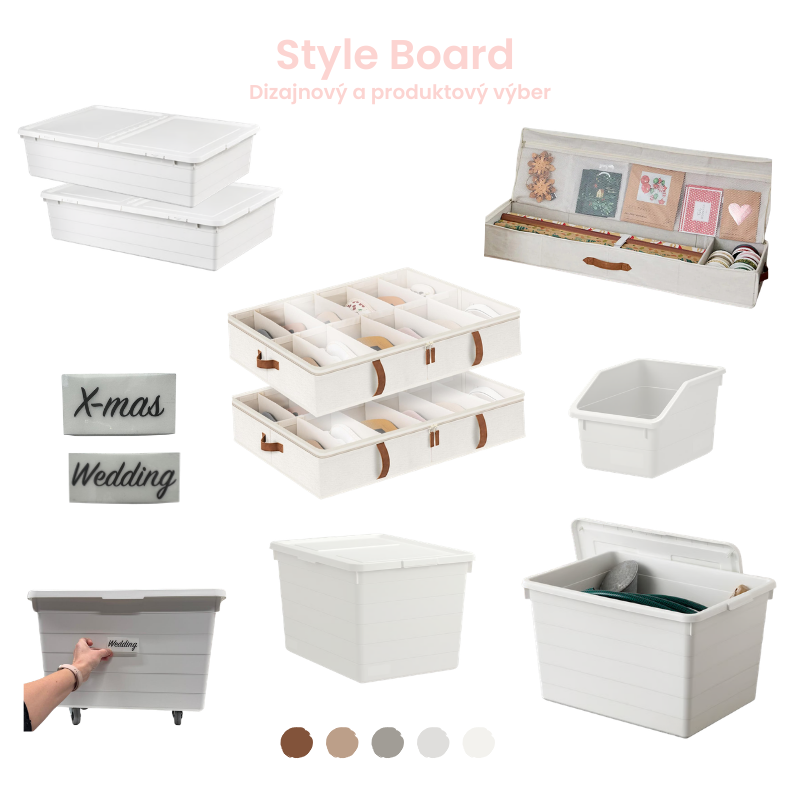
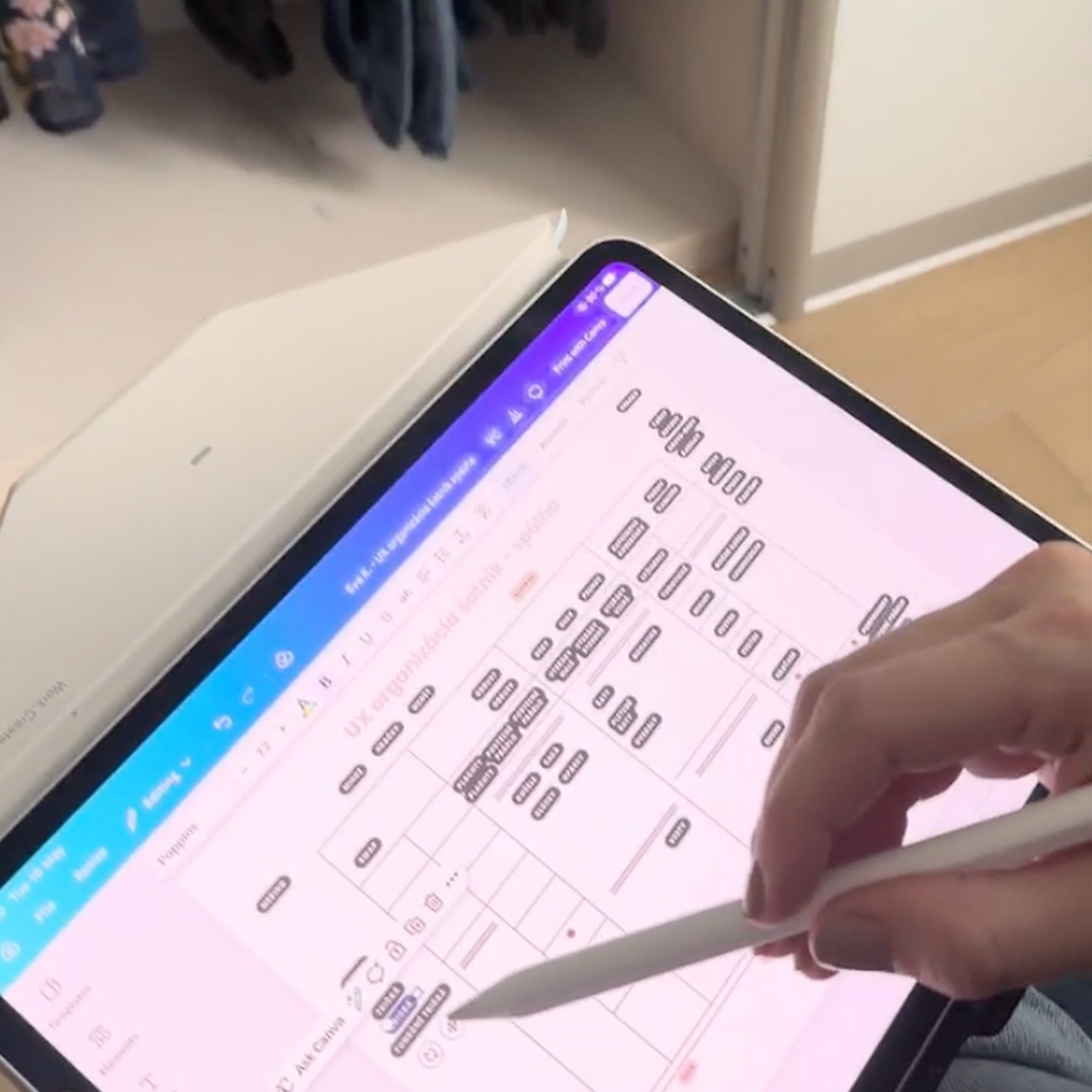
The result is not an empty shelf. The result is a space where you know what you have, where it is and why it is exactly there. We also work with the tools of interior designers and architects: moodboards, spreadsheets, plans, sketches, product selection. We work with what you have. We open your wardrobes first, not an online shop.
Most organisers, baskets, boxes and containers are usually already at home, they just need moving to the right places. We know that people sometimes need to buy new things or replace those that no longer work or fit. If you need to buy something, we make a tailored selection to your wishes, centimetres and budget.
— 4 —
Things you no longer need find a new home.

Once we know what has its place in the space and what doesn't, we offer the next step.
What can be moved, donated, sold, put away, repaired or passed on. Specific and direct.
We don't see things as waste. More as material in motion.
Some things go to family, some to second-hand, charity or further use. Sometimes it's enough to move them to another room. Sometimes they need a new owner. What matters is not to let things stagnate, and to get them where they make sense.
Professional organising is not a luxury invented for the rich. It is a necessary response to the overload of the modern home.
Organising a space and the things in it is really work with
a person's identity. Who we were, who we are now and who we want to become.
— Barbora a Veronika, prieSTORY
Redesign through the prieSTORY lens.
We uncover the potential of a space that has got lost in routine. Redesign means looking at a space with fresh eyes. Through redesign we create
a space that feels natural and safe, works practically and looks like you.
We see your space through movement, aesthetics and sensory perception. Every decision comes from how you live at home, what you need and how the space affects you. Sometimes it's enough to move one thing. Other times it's the angle of view.
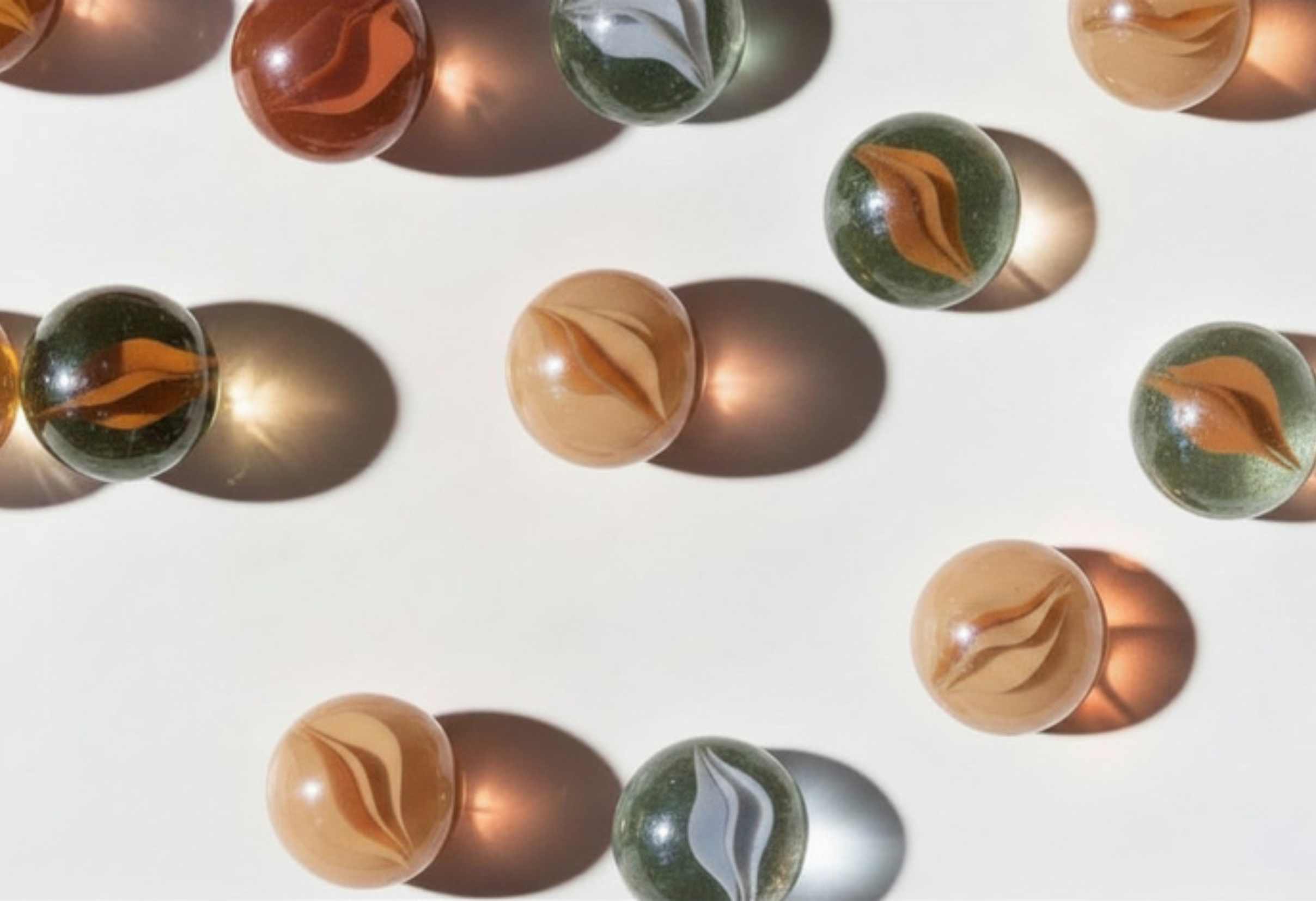
01Space and movement
How things and people move
through a space
By moving furniture, repositioning shelves and relocating decorations we also change the relationships between things, movement, light and daily habits.
We look for what already works in the space and give it more room. We hold up a mirror so you become aware of your habits, and we define priorities for better functioning.
We notice routes, stopping points, blind spots and points of stress. We think about what you need within reach, what can step aside and what deserves more attention.
Sometimes it's enough to move an armchair. Sometimes the coffee machine. Sometimes it's enough to change a habit. And other times it's the angle of view.
rearranging
·
spatial vision
·
film staging
·
working with scale and orientation
·
working with the rhythm of a space
·
rearranging · spatial vision · film staging · working with scale and orientation · working with the rhythm of a space ·
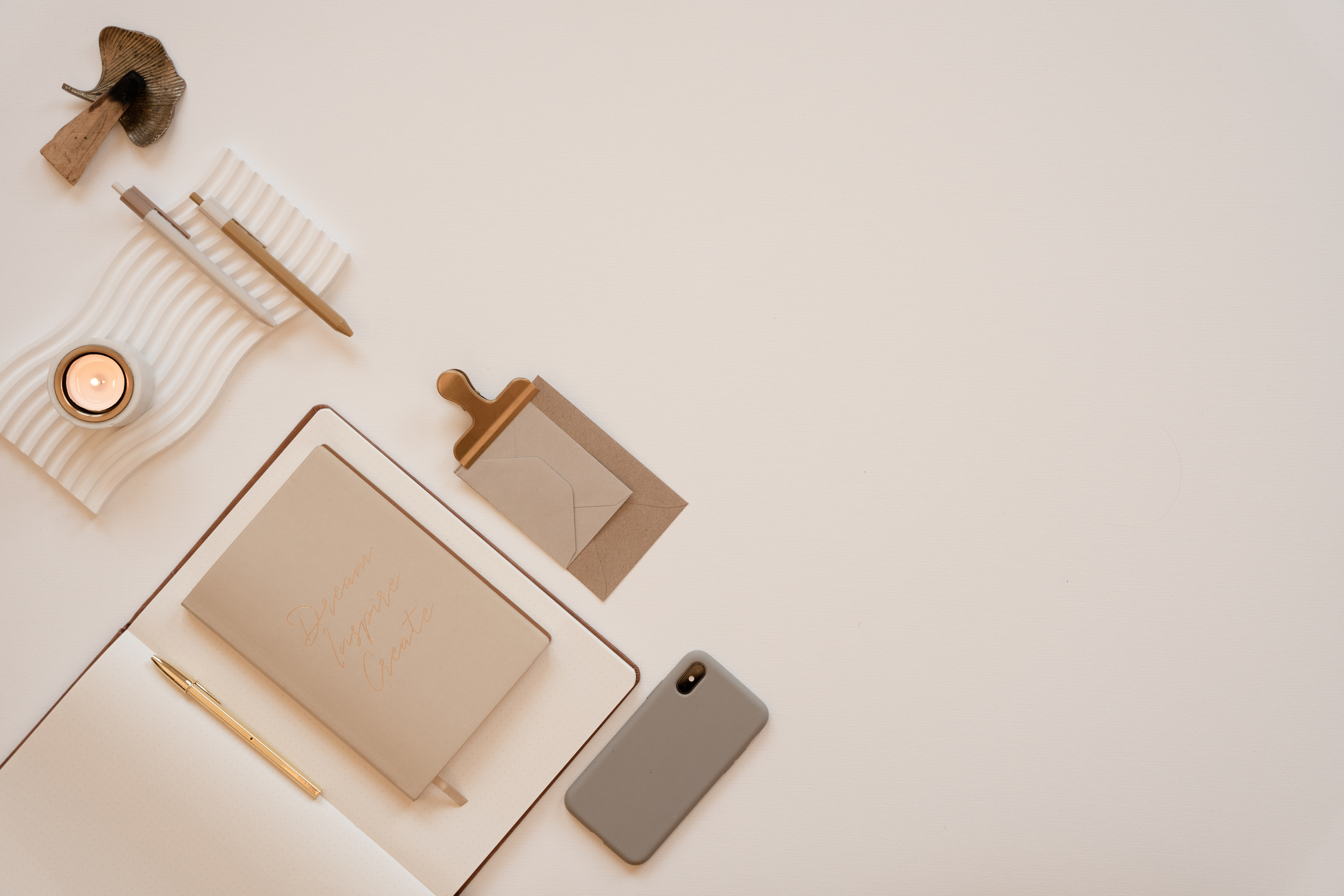
02Aesthetics and materials
What a space looks like and what it is made of
We work with what you already have at home. We look for connections between old and new, between practicality and character.
We choose colours, surfaces, textures, accessories, storage solutions and individual pieces of furnishing so that they work together aesthetically, functionally and financially. From a jewellery box to made-to-measure furniture.
We help you discover what makes you feel good, what your style is and what your needs are. We prepare simple sketches, moodboards and recommendations.
We bring ideas, argue the case, offer solutions and do product research. From an organiser to furniture, lighting, textiles and small details: we simplify your choice from a million options.
decorating
·
material selection
·
visual character
·
handcrafted aesthetics
·
the natural beauty of things
·
decorating · material selection · visual character · handcrafted aesthetics · the natural beauty of things ·
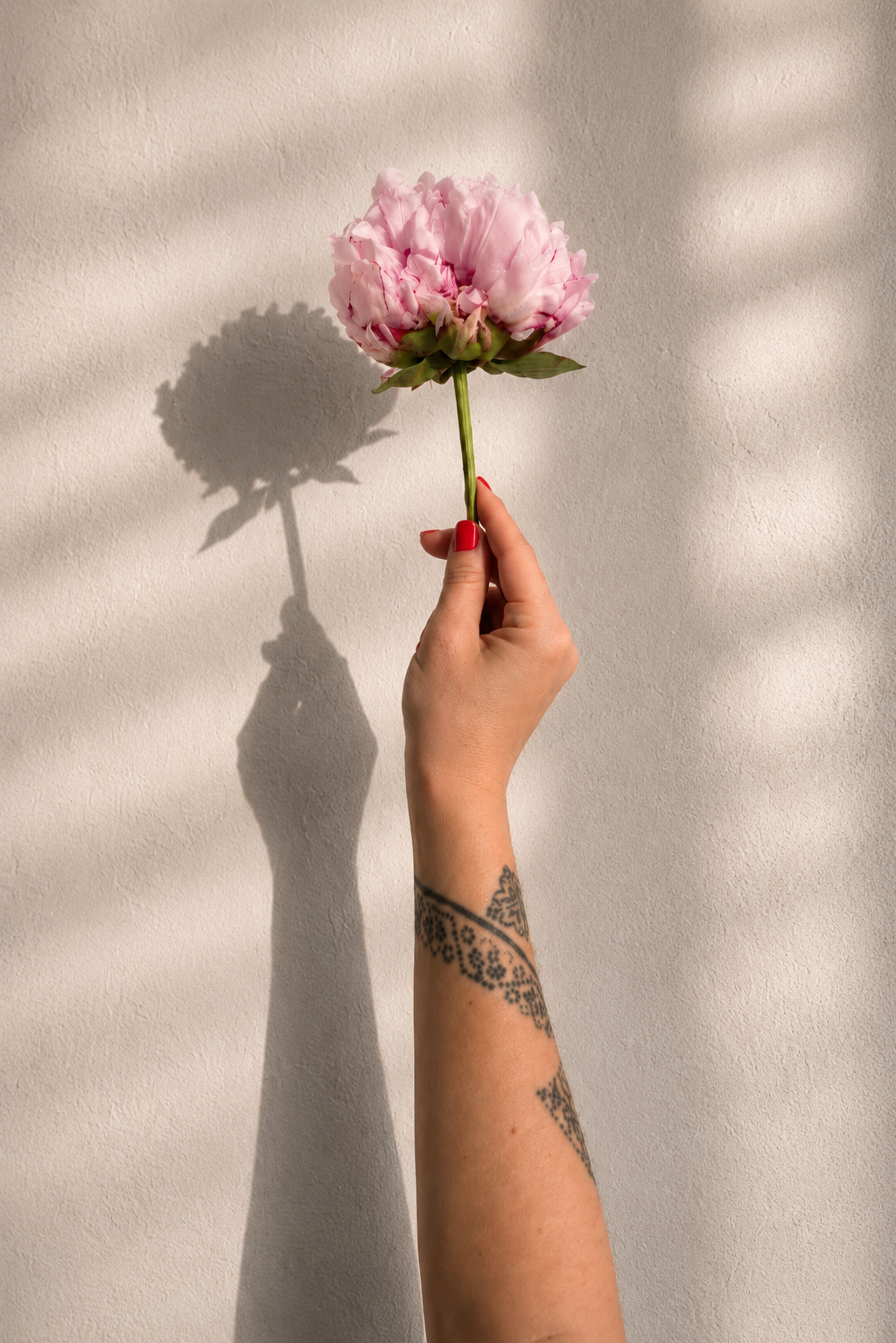
03Sensory perception and individuality
How a space affects a person
Not every space works the same way for everyone.
We notice reflections, acoustics, the intensity of stimuli, and what tires a person or, on the contrary, calms them.
Some people need things in plain sight, others are overwhelmed by visual noise. Some thrive in an open space, others need more zones and places to retreat.
We think about what you see from your bed, what you hear while you work, where the light falls in the morning and what happens in the evening when you no longer have the capacity to decide.
A space can support concentration, independence, rest and living together. And it can do the exact opposite. That is why we set goals at the start and assess at the end whether we have met them.
light
·
colour
·
sound
·
sensory load
·
neurodiversity
·
individual needs
·
light · colour · sound · sensory load · neurodiversity · individual needs ·
Frequently asked questions.
You ask, we answer.
-
We organise. Your space, your things. We do professional UX organising and redesign of your home.
-
Organising a space on the principles of user experience (UX) and user-centred design. We set up the space around your habits, your movement and your everyday needs.
-
Changing a space through a new arrangement and a selection of suitable elements, without major building work.
-
A chaotic wardrobe, an overflowing pantry, a badly planned kitchen or a home office that doesn't work. Children's rooms, bathrooms, cellars, storage rooms.
We also offer online consultations and brainstorming before big decisions: before a move, before buying furniture, before a renovation, before putting a property up for sale. Before, full stop. -
It can be a few hours, or several full-day sessions. Sometimes it becomes a regular, recurring service.
-
Send us a DM on Instagram or an email to info@priestory.com. You can also fill in the contact form HERE.
We get back to you within 24 hours and agree a tailored plan together. We have our own way of working.
We listen a lot and ask a lot. No question is a waste of time.
Don't follow us. Contact us.
Nesledujte nás.
Kontaktujte nás.
The introductory call is free · No commitment